
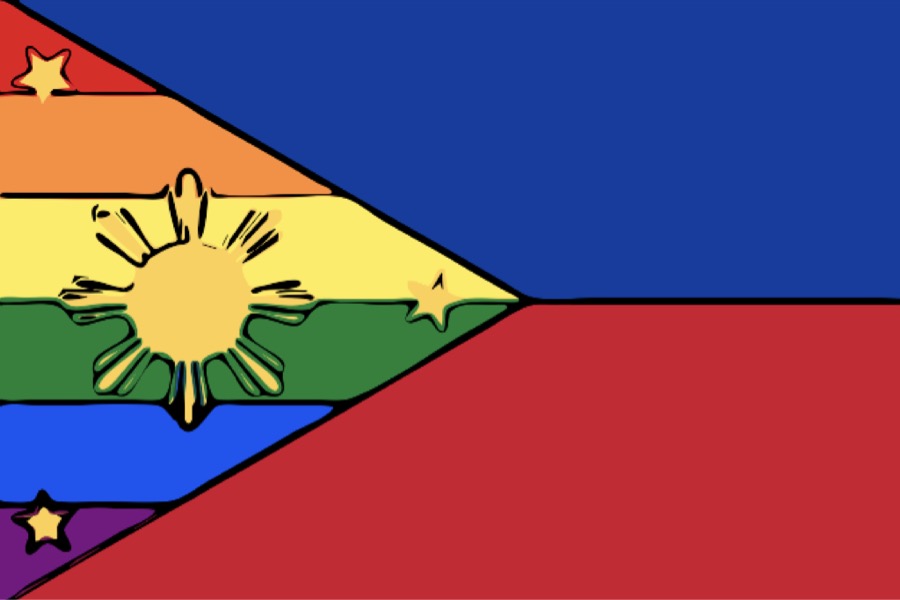
While every year some Italian cities seem on the verge of hosting two separate Pride events due to internal disagreements within the LGBTQIA movement, the situation in Manila is very straightforward: there, in the capital of the Philippines, all associations will come together for the now traditional parade that takes place in June. The city’s Department of Tourism, Culture and Arts, in the meanwhile, announced a surprise event to be held on April 19th: Summer Pride. This announcement, however, raised quite a few eyebrows.
An LGBT-less Pride?
Even at a first glance, one could notice something wrong with how Summer Pride was initially advertised, as sexual minorities were only vaguely mentioned in a single sentence which actually shows a rather scarce knowledge of even the most basic terminology: “We would like to invite you to join us in this rare opportunity of showcasing to the world the diverse culture of this capital city. This would also symbolize equality and unity among Manileños of different gender.” After the resulting outcry, the Department tried to salvage the situation by confirming the event would be in support of LGBTQIA people, who hadn’t been mentioned because cisgender people are welcome to join the event as well. It sounded a lot like the Department was grasping at straws.
The real surprise, however, is how nobody who’s part of the local LGBTQIA communities was involved in the planning of this Pride. As Outrage Magazine’s director Michael David C. Tan pointed out, what’s the point of celebrating a community without listening to it? What’s the point of celebrating diversity without taking measures to protect it? Wouldn’t it have been more useful if Mayor Isko Moreno, an ex B-movie actor turned politician within the Christian conservative party Partido ng Pambansang Pagkakaisa (National Unity Party), had implemented anti-discrimination measures, like other cities in the archipelago have done?
Tourist trap
“Celebrations are nice, but we need more rights – says Tan – As long as LGBTQIA people will not be treated the same way cisgender people are, Pride will be a form of protest and a way of fighting, not a celebration“. Very similar words can be found in Zofiya Costa’s article: “A pride march that doesn’t call for political action isn’t just toothless, it’s not a pride march at all.” A seemingly obvious concept that places like Manila, Tel Aviv, and others, still fail to grasp.
Pier Cesare Notaro
translation by Tomas Mascali
©2020 Il Grande Colibrì
image: Il Grande Colibrì
Read also:
South Korean Pride is a Triumph Despite Religious Protests
Italy: Racist Protests at Pride? Let’s Keep R-Existing!