For a long time, art and literature have been powerful vehicles for social change, for marginalized voices to be listened and recognized. For LGBTQ+ people, imagination provides not just a way of expression, but also a form of advocacy that can challenge social standards, promote compassion and inspire change.
Historical Context
The history of LGBTQ+ art and literature is rich and varied, marked by periods of intense repression and moments of profound expression. In the 19th and very early 20th centuries, queer topics were commonly covered in allegory, whereas in the unabashedly vibrant productions that arised post-Stonewall, LGBTQ+ musicians and authors have constantly pushed limits. Figures like Oscar Wilde along with Virginia Woolf silently slipped queer motives into their works, while later painters like Keith Haring, or authors like James Baldwin, openly challenged the approach to sexuality and identity.
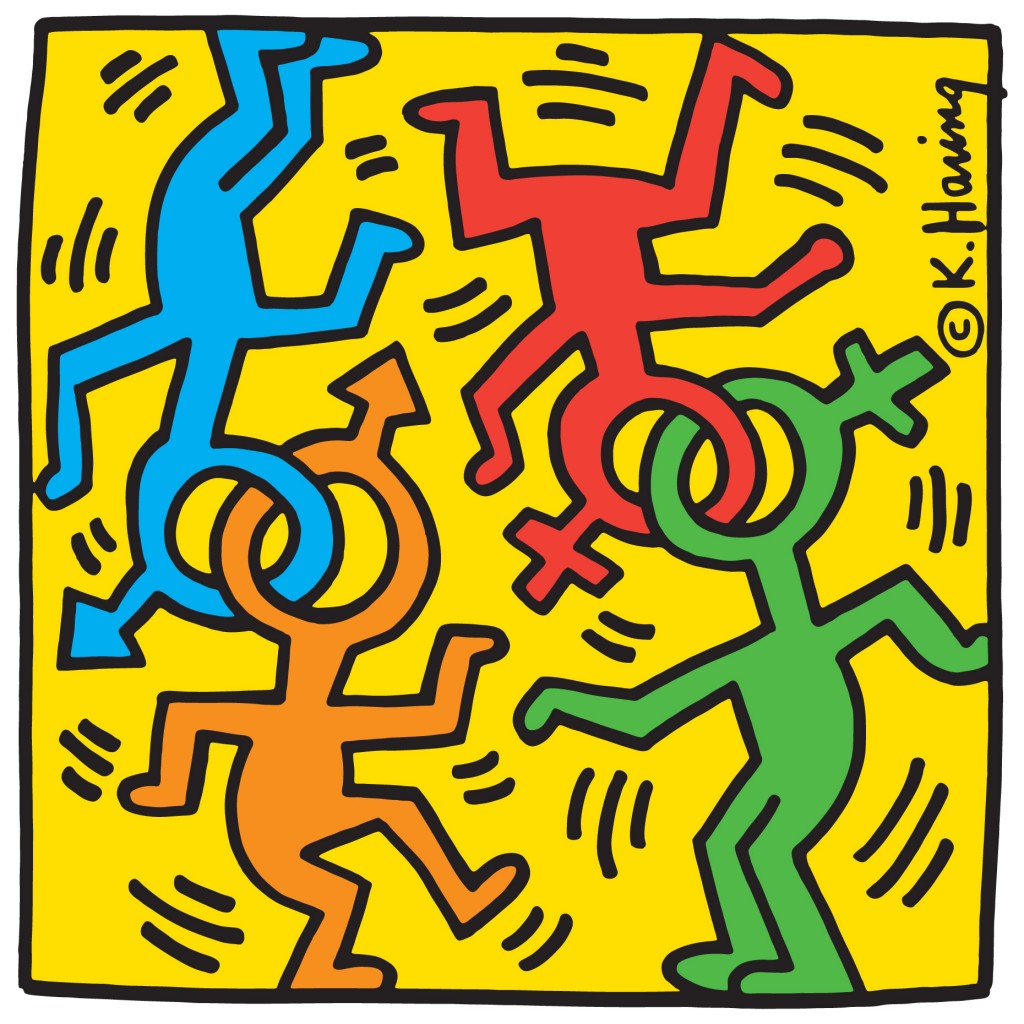
Keith Haring
Art as Activism
Visual art has actually been an especially powerful tool for LGBTQ+ advocacy. Throughout the HELP situation of the 1980s-90s, artists like David Wojnarowicz or the collective ACT UP used art to raise awareness about the pandemic and slam the federal government’s poor response. Their works were not only expressions of grief and rage but also rallying cries for action and awareness.
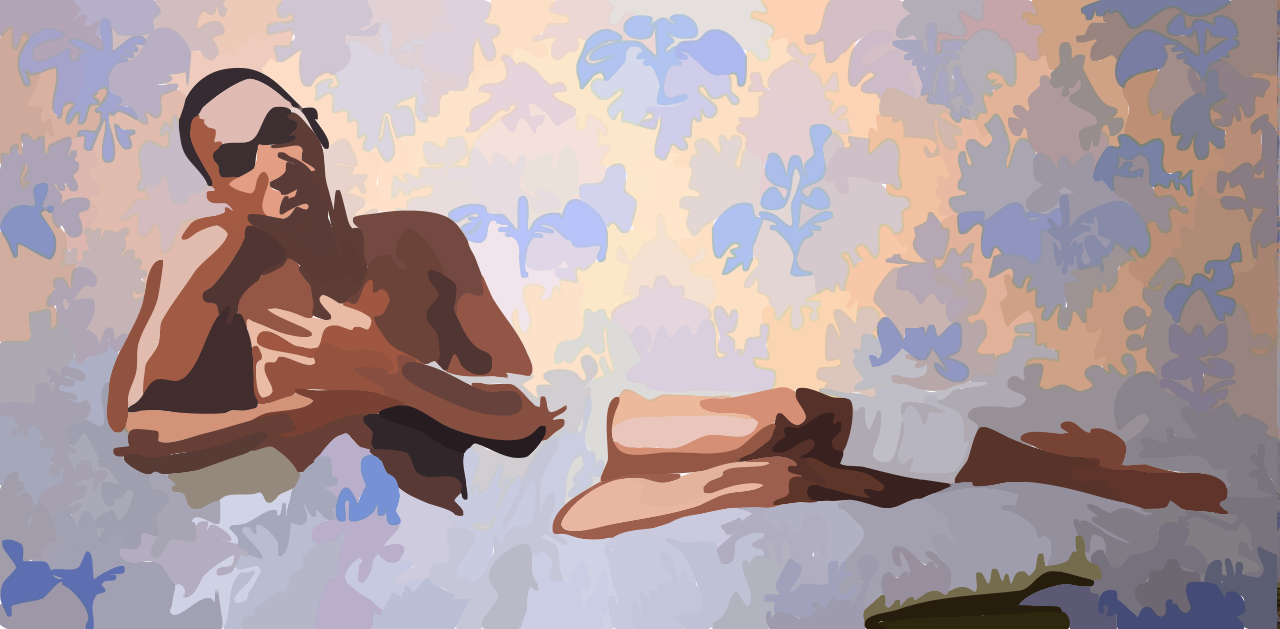
In modern times, artists like Kehinde Wiley and Catherine Opie continue this tradition by exploring themes of identity, gender, and community in their works. Wiley’s lively paintings challenge typical representations of power and manliness, frequently representing black queer people in poses similar to timeless European artworks. Opie’s digital photography records the variety as well as the intricacy of LGBTQ+ lives, from intimate pictures to large-scale neighborhood settings.
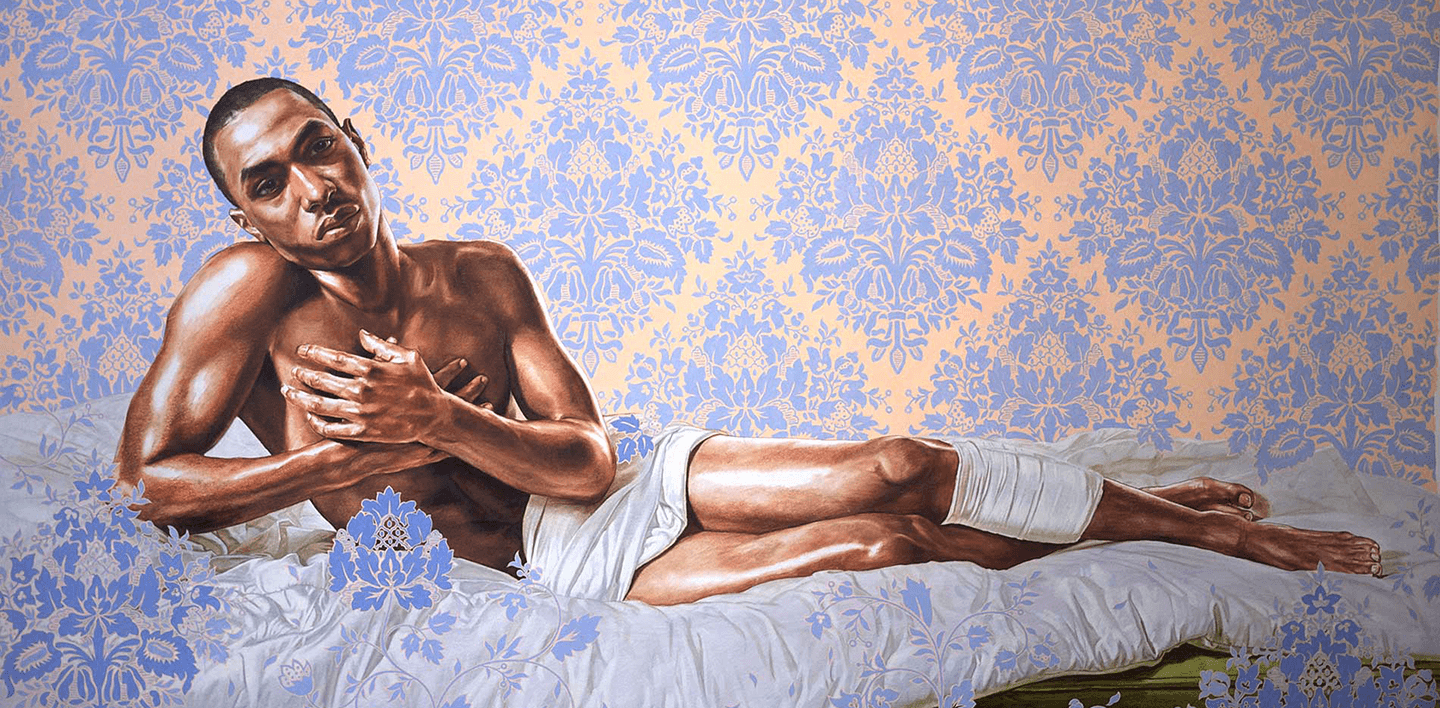
Kehinde Wiley
Literature as Expression
Literary works have constantly been a sanctuary for LGBTQ+ voices, telling tales that are commonly ignored or subdued. Stories, poems and plays have the capacity to humanize LGBTQ+ experiences, giving the audience an understanding of the pleasures, battles and subtleties of queer life.
The works of writers like Audre Lorde, Armistead Maupin, Sea Vuong and a lot more lately, have been crucial in bringing LGBTQ+ stories to a larger audience. Lorde’s poems and prose explore the crossways of race, gender, and sexuality, advocating for a more intersectional and fair culture. Maupin’s Tales of the City collection gives a dazzling representation of gay life in San Francisco, mixing wit, dramatization and advocacy. Vuong’s On Earth We’re Briefly Gorgeous delves into the intricacies of identity, family, and love, offering a deeply personal point of view on a queer migrant experience.
Creating Change Through Stories
One of the most considerable benefits of LGBTQ+ art and literature is its capacity to promote compassion and understanding. By sharing their tales, LGBTQ+ artists can bridge the space in between various spheres of society, challenging stereotypes and prejudices. These narratives invite audiences to see the world through a different lens, promoting acceptance and solidarity.
Likewise, LGBTQ+ art and literature can act as a source of recognition for queer people. Seeing their experiences mirrored in positive and nuanced ways can help them deal with the seclusion and the invisibility that a lot of LGBTQ+ people go through. It can also generate complacency and connection, revealing that queer people have always been part of society.
Conclusion
Art and literary works are essential tools for LGBTQ+ advocacy and expression. They do not just highlight the battles and the oppressions encountered by the community: they also stand as a witness to its variety and its long-standing imagination. Through their works, LGBTQ+ artists and writers continue to challenge social norms, inspire change, and create a more inclusive and compassionate world. As culture goes forward, the voices as well as visions of LGBTQ+ artists will certainly continue to be essential in shaping a future where every person can live freely and genuinely.
Samuel Nava
©2024 Il Grande Colibrì